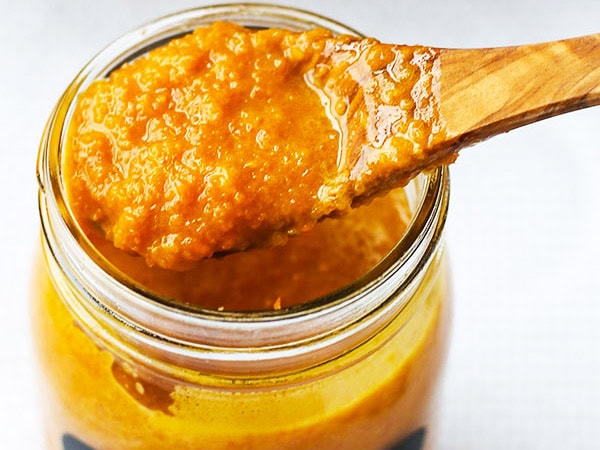
Unlock the Secret: Recreate Japanese Restaurant Carrot Ginger Dressing at Home
There’s a certain magic that accompanies the humble green salad at your favorite Japanese hibachi steakhouse. It’s not the lettuce that captures your attention, but the vibrant, creamy, and irresistibly tangy orange dressing drizzled generously over it. This iconic condiment, known affectionately as
japanese restaurant style carrot ginger dressing, has become synonymous with fresh, bold flavors and a delicious start to any meal. While often found in Japanese-American establishments rather than being a traditional Japanese recipe, its widespread popularity makes it a culinary staple we all crave. The good news? That captivating taste is surprisingly easy to replicate in your own kitchen, offering a homemade version that often surpasses the restaurant original.
Forget bland store-bought options; mastering this dressing at home means enjoying its zesty, umami-rich punch whenever you desire. Whether you're a seasoned chef or a kitchen novice, preparing this gorgeous, healthful dressing is a rewarding experience that will elevate countless dishes far beyond the simple salad.
Deconstructing the Flavor: Key Ingredients & Their Role in Perfection
The allure of
japanese restaurant style carrot ginger dressing lies in its harmonious blend of fresh, potent ingredients. Achieving that signature vibrant hue and complex flavor profile requires a mindful selection and understanding of how each component contributes to the final masterpiece.
*
Fresh Carrots: The Sweet & Colorful Base
The foundation of this dressing starts with fresh, whole carrots. These provide a natural earthy sweetness, a gorgeous deep orange color, and, crucially, a source of natural fiber that aids in emulsification. The difference between fresh carrots and pre-shredded or frozen ones is stark – fresh offers a brighter, less bitter flavor and a smoother texture when blended.
*
Fresh Ginger: The Spicy Heartbeat
Ginger is undeniably the "ginger" in carrot ginger dressing. Its spicy, zesty, and aromatic notes provide that distinct warmth and freshness. Just like carrots, using fresh ginger root is non-negotiable. Bottled or powdered ginger simply can't deliver the same vibrant kick and can often lead to a dull or even slightly bitter result.
*
Shallot: The Savory Depth
While many might assume onion, the secret to a refined, yet robust, savory depth often lies in a small shallot. Shallots offer a milder, more delicate onion flavor compared to yellow onions, preventing the dressing from becoming too pungent. However, if you prefer a bolder onion backbone and an even deeper orange hue, a quarter of a small yellow onion can be a fantastic alternative.
*
Rice Vinegar: The Tangy Balance
The tang in this dressing comes from rice vinegar. Its mild acidity perfectly balances the sweetness of the carrots and honey, and the richness of the oils. Through extensive recipe testing, rice vinegar has proven superior to sharper apple cider vinegar or more subtle white wine vinegar, ensuring an authentic and balanced flavor that is true to the
japanese restaurant style carrot ginger dressing profile.
*
Soy Sauce: The Umami Punch
A touch of soy sauce (low-sodium is often preferred to allow for seasoning adjustments) introduces a crucial element of umami – that savory, fifth taste sensation that rounds out the dressing's flavor. It adds depth and complexity, making each bite more satisfying.
*
Honey: The Sweet Emulsifier
While other sweeteners like sugar or maple syrup can work, honey consistently wins for its subtle floral notes that beautifully complement the carrots without overpowering them. Beyond taste, honey also acts as a natural emulsifier, helping the oil and vinegar bind together for a smooth, cohesive texture.
*
Toasted Sesame Oil & Neutral Oil: The Balanced Fat Profile
Toasted sesame oil is incredibly potent and aromatic, delivering that characteristic nutty flavor essential to
japanese restaurant style carrot ginger dressing. However, using too much can make the dressing heavy and overpowering. The optimal approach involves a careful ratio – typically 3 parts neutral oil (like avocado, grapeseed, or vegetable oil) to 1 part toasted sesame oil. The neutral oil acts as a carrier for the other flavors, ensuring the dressing is light, smooth, and perfectly emulsified without being greasy.
The Science of Perfection: Why This Recipe Works
Creating a truly restaurant-quality carrot ginger dressing isn't just about combining ingredients; it's about understanding the synergy between them and the process itself. This is where a few critical insights make all the difference, transforming a simple blend into a glossy, stable, and incredibly flavorful condiment. If you're eager to truly
Master Restaurant-Style Carrot Ginger Dressing: Key Ingredients & Blending Secrets, paying attention to these details is paramount.
One of the biggest challenges in homemade dressings is preventing separation. The secret weapon here lies in
emulsification. Both the natural fibers in the fresh carrots and the honey play vital roles as natural emulsifiers, helping oil and water-based ingredients (like vinegar and soy sauce) bond rather than separate into distinct layers.
The blending process itself is equally crucial. While you might be tempted to just pulse until smooth, blending for a full 60 seconds – especially in a high-speed blender – isn't just about achieving a silky texture. This extended blending time creates a stable emulsion, ensuring the dressing remains cohesive and glossy, clinging beautifully to your greens instead of pooling at the bottom of the bowl. This sustained action thoroughly breaks down the cellular structure of the carrots and ginger, releasing their full flavor potential and contributing to that desirable smooth, creamy consistency.
Another key factor is the commitment to fresh ingredients. Recipe tests using bottled ginger or pre-shredded carrots consistently yield inferior results – dull flavors, slight bitterness, and a grainy texture. Fresh ingredients, conversely, burst with natural sweetness, vibrant warmth, and an overall brightness that elevates the dressing to restaurant-level quality. The chosen oil ratio, as discussed earlier, also plays a critical scientific role. It ensures the distinct aroma of sesame oil enhances, rather than overwhelms, the dressing, creating a perfectly balanced fat profile that feels light yet satisfying.
Step-by-Step: Crafting Your Own Restaurant-Quality Dressing
Now that you understand the "why," let's dive into the "how." Recreating that beloved
japanese restaurant style carrot ginger dressing at home is surprisingly straightforward, especially with a good blender. For a comprehensive guide to proportions and techniques, you might want to
Uncover the Secret: Authentic Japanese Restaurant Carrot Ginger Dressing Recipe for precise measurements.
1.
Prepare Your Ingredients: Begin by peeling and roughly chopping your carrots and shallot. Peel and grate your fresh ginger. The goal here is to get them into pieces that your blender can easily break down.
2.
Combine in Blender: Add the chopped carrots, grated ginger, chopped shallot, rice vinegar, soy sauce, honey, and both the toasted sesame oil and neutral oil to your high-speed blender.
3.
Blend to Perfection: Secure the lid and blend on high for a full 60 seconds. Resist the urge to stop early! This sustained blending time is crucial for achieving that signature silky-smooth, glossy texture and a stable emulsion that won't separate.
4.
Adjust Consistency and Seasoning: After blending, check the consistency. If it's too thick, you can add a tablespoon of water at a time and blend briefly until it reaches your desired pourable consistency. Taste the dressing. Add a pinch of salt and white pepper as needed to enhance the flavors. Remember, tastes vary, so adjust to your preference.
5.
Chill and Serve: Transfer the dressing to an airtight container and refrigerate for at least 30 minutes. Chilling allows the flavors to meld and deepen, resulting in an even more delicious dressing. This dressing can be stored in the refrigerator for up to a week.
Beyond the Salad Bowl: Versatile Uses & Serving Suggestions
While its natural home is undoubtedly over crisp green salads, the versatility of
japanese restaurant style carrot ginger dressing extends far beyond. Its bright, tangy, and savory notes make it an incredible flavor enhancer for a wide array of dishes.
*
Grain Bowls & Buddha Bowls: Drizzle generously over quinoa, brown rice, or farro bowls packed with roasted vegetables, grilled chicken, or tofu for a vibrant and healthy meal.
*
Grilled & Roasted Vegetables: Toss warm roasted broccoli, asparagus, green beans, or sweet potatoes with this dressing for an instant flavor upgrade. It caramelizes slightly and adds a fantastic glaze.
*
Marinade for Proteins: Use it as a quick marinade for chicken, fish (especially salmon or cod), or shrimp. The ginger and vinegar tenderize while infusing incredible flavor before grilling, baking, or pan-searing.
*
Dipping Sauce: Serve it alongside spring rolls, gyoza, fresh vegetable sticks, or even baked chicken nuggets for a flavorful dip.
*
Cold Noodle Salads: Mix it into cold soba or udon noodle salads with julienned cucumbers, bell peppers, and shredded chicken for a refreshing and satisfying dish.
*
Sandwiches & Wraps: Spread a thin layer inside your sandwiches or wraps for an unexpected burst of flavor that complements various fillings.
Its vibrant color and fresh taste make it an excellent choice for meal prepping, ensuring you have a healthy, flavorful condiment ready to brighten up your week's meals.
Conclusion
Recreating that beloved
japanese restaurant style carrot ginger dressing at home is a culinary triumph that's both simple and incredibly rewarding. By understanding the key ingredients, the science behind emulsification, and the importance of fresh components, you can consistently produce a dressing that rivals – and often surpasses – your favorite restaurant version. This vibrant, tangy, and healthful condiment is not just for salads; it's a versatile flavor booster ready to transform everyday meals into extraordinary culinary experiences. So, ditch the bottled alternatives and embrace the joy of crafting your own batch of this irresistible dressing. Your taste buds will thank you!