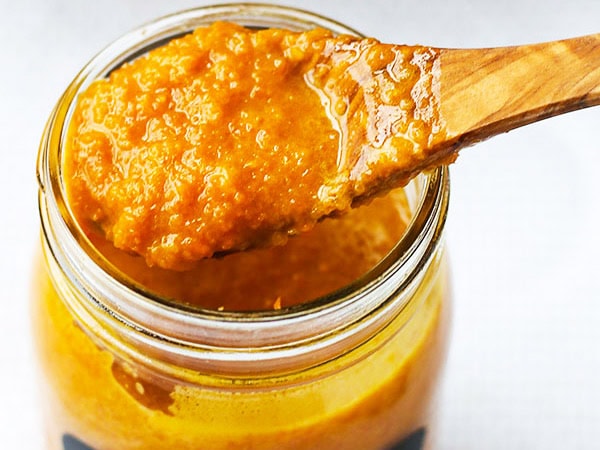
Master Restaurant-Style Carrot Ginger Dressing: Key Ingredients & Blending Secrets
There are few culinary delights as instantly recognizable and universally loved as the vibrant, zesty dressing served alongside a simple green salad at your favorite Japanese steakhouse. This isn't just any dressing; it's a flavor powerhouse, a bright orange beacon that promises a delicious meal to come. If you've ever found yourself wishing you could bottle that experience and bring it home, you're in the right place. We're about to unlock the secrets to creating the perfect japanese restaurant style carrot ginger dressing, matching – and even surpassing – the flavors you adore.
This iconic dressing is far more than a mere condiment; it's a symphony of fresh ingredients, expertly balanced to create a creamy emulsion that dances on your palate. Loaded with the earthy sweetness of carrots, the spicy kick of fresh ginger, and a masterful blend of savory and tangy notes, it instantly elevates anything it touches. Forget bland greens; with this homemade dressing, every bite becomes an adventure in flavor. Whether you're a seasoned home cook or just starting your culinary journey, mastering this recipe will undoubtedly become a treasured skill.
The Irresistible Allure of Japanese Restaurant-Style Carrot Ginger Dressing
What is it about this particular dressing that makes it such a staple? For many, its charm lies in its familiarity – a comforting presence at countless hibachi dinners and sushi lunches. Its bright orange hue is an immediate visual cue, signaling a burst of fresh flavor. Often referred to simply as "Japanese dressing" in Western contexts, it's important to note that while it uses Japanese-inspired flavors, this specific rendition is a beloved invention of Japanese-American restaurant culture, rather than a traditional Japanese recipe.
The magic of this japanese restaurant style carrot ginger dressing lies in its complex yet harmonious flavor profile. It starts with a base of natural sweetness from fresh carrots, deepened by the pungent warmth of ginger. Rice vinegar introduces a delicate tang, while soy sauce provides a crucial umami backbone. A touch of honey rounds out the sweetness, and the careful inclusion of sesame oil adds an unmistakable nutty aroma. The result is an emulsion that is simultaneously light and bold, delivering an earthy sweetness, sharp warmth, and profound umami in every spoonful. It's a testament to how simple, fresh ingredients, when combined with precision, can create something truly extraordinary.
Unveiling the Essential Ingredients for Authentic Flavor
Recreating the authentic taste of japanese restaurant style carrot ginger dressing hinges on selecting the right ingredients and understanding their role. Each component plays a vital part in achieving that signature vibrant color, creamy texture, and unforgettable flavor profile.
- Fresh Carrots: The Sweet Foundation
The foundation of this dressing is, naturally, carrots. But not just any carrots. Opt for fresh, whole carrots over pre-shredded varieties. Fresh carrots offer a superior natural sweetness and contribute significantly to the dressing's vibrant orange color. Beyond their flavor, the natural fibers in carrots act as an emulsifier, helping to bind the oil and vinegar together for a smooth consistency. Typically, two medium carrots, peeled and roughly chopped, yield about ¾ cup, which is ideal for a standard batch. - Potent Ginger: The Zesty Kick
The "ginger" in carrot ginger dressing is not to be underestimated. Fresh ginger root is absolutely essential for that characteristic spicy warmth and bright zest. Recipe testing consistently shows that bottled or pre-minced ginger produces a dull, even slightly bitter flavor, lacking the lively punch of its fresh counterpart. Peel and grate about one tablespoon of fresh ginger for optimal results. - Shallot or Onion: Savory Depth and Color
To add savory depth and round out the flavor, a small piece of shallot is a gourmet upgrade. Shallots provide a milder, more refined onion flavor compared to larger onions, perfectly complementing the other ingredients without overpowering them. However, if you desire a deeper orange hue and a stronger, more traditional onion backbone reminiscent of some restaurant versions, you can replace the shallot with about a quarter of a small yellow onion. - Rice Vinegar: The Tangy Balance
The choice of vinegar is crucial for balancing the sweetness and richness. Rice vinegar is the undisputed champion here. Its mild, slightly sweet acidity provides the perfect tang without being overly sharp, as apple cider vinegar can be, or too subtle, like some white wine vinegars. It maintains the authentic flavor profile you expect from a japanese restaurant style carrot ginger dressing. - Soy Sauce: The Umami Enhancer
A tablespoon or two of soy sauce is vital for introducing deep umami. This savory depth is what makes the dressing so satisfying and moreish. Low-sodium soy sauce works perfectly well, allowing you to control the overall saltiness later. - Honey: Natural Sweetness and Emulsifier
Sweetness is key to balancing the ginger and vinegar. While various sweeteners like maple syrup or white sugar can be used, honey consistently outperforms them. Its slight floral notes beautifully complement the carrots, adding a layer of complexity without clashing. Importantly, like the carrot fiber, honey also acts as a natural emulsifier, aiding in the dressing's smooth, cohesive texture. - The Dynamic Duo of Oils: Neutral & Toasted Sesame
Oil selection is paramount for both texture and flavor. A 3:1 ratio of neutral oil to toasted sesame oil has been found to be optimal.- Neutral Oil: This forms the bulk of the oil base. Avocado, grapeseed, or vegetable oil are excellent choices. They provide the necessary fat for a creamy emulsion without imparting their own strong flavor, allowing the carrots and ginger to shine.
- Toasted Sesame Oil: This is a flavor powerhouse. A small amount (typically one teaspoon) is all you need to impart that distinctive, nutty, aromatic essence. Using too much sesame oil will result in an overpowering, heavy dressing, so precision is key here.
- Water, Salt & White Pepper: Finishing Touches
A tablespoon of water can be added at the end to thin the dressing to your preferred consistency. Salt and a pinch of white pepper are used to taste, bringing all the flavors into harmony. White pepper is preferred over black pepper for its milder heat and ability to blend seamlessly into the dressing's light color.
Mastering the Blending Secrets: Beyond Just Mixing
Once you have your pristine ingredients, the next critical step to achieving a truly superb japanese restaurant style carrot ginger dressing is the blending process. This isn't just about combining ingredients; it's about transforming them into a silky, emulsified masterpiece.
The Science Behind the Blend: Emulsification Explained
The secret to a stable, cohesive dressing that doesn't separate on the plate lies in emulsification. Oil and vinegar, naturally, don't mix. However, the presence of emulsifiers helps them bond. In this recipe, the natural fibers found in fresh carrots and the unique properties of honey act as these crucial emulsifying agents. When blended correctly, they create a bridge between the oil and water-based components, resulting in a smooth, uniform texture.
Equipment and Technique: Achieving Silky Perfection
- High-Speed Blender is Your Best Friend: While a food processor can work, a high-speed blender is highly recommended for this recipe. It’s designed to create a much smoother, glossier, and more refined emulsion. A regular blender might leave you with a slightly grainy texture, which detracts from the restaurant-quality experience.
- The Magic of 60 Seconds: Don't rush the blending process. For a dressing that is truly silky and cohesive, blend for a full 60 seconds (or even slightly longer). This isn't just about achieving smoothness; it's the duration required for the emulsifiers to fully do their job, ensuring the dressing remains stable and beautiful. If your dressing feels grainy or isn't fully incorporated, an extra 30 seconds of blending can often resolve it.
- Ingredient Order Matters: While not strictly rigid, it's generally best to add your firmer ingredients (carrots, ginger, shallot) first, followed by the liquids (vinegar, soy sauce, honey, water), and finally the oils. This allows the blades to efficiently chop and then emulsify.
Troubleshooting and Pro Tips for Your Homemade Dressing
Even with the best ingredients and equipment, sometimes minor adjustments are needed. Here are some pro tips to perfect your japanese restaurant style carrot ginger dressing:
- Adjusting Consistency: If your dressing is too thick, add a little more water, one teaspoon at a time, until it reaches your desired pourable consistency. If it's too thin, you might gently simmer it for a minute or two on low heat (be careful not to cook the carrots too much), or simply accept the thinner texture for salads.
- Flavor Balance: Taste and adjust! If it's too tart, add a tiny bit more honey. If it lacks punch, a pinch more salt or a dash more soy sauce can help. If the ginger is too strong, a bit more neutral oil can mellow it.
- For a Deeper Orange Hue: As mentioned, replacing the shallot with a quarter of a small yellow onion can deepen the orange color and add a slightly more robust onion flavor, akin to some popular chain restaurant versions.
- Storage: Store your homemade authentic Japanese restaurant carrot ginger dressing in an airtight container in the refrigerator. It will keep well for about 5-7 days. Freshness is key for the best flavor. Give it a good shake or quick whisk before each use, especially if it's been sitting for a while.
- Beyond Salads: This versatile dressing isn't just for greens! Try drizzling it over grilled chicken or fish, using it as a marinade, tossing it with roasted vegetables, or spooning it over warm grain bowls. It's also an incredible dipping sauce for spring rolls or dumplings. For more ideas on how to utilize this dressing beyond the traditional salad, check out our guide on how to Recreate Japanese Restaurant Carrot Ginger Dressing at Home.
Conclusion
Creating your own japanese restaurant style carrot ginger dressing at home is a remarkably rewarding experience. By understanding the essential roles of fresh ingredients, precise ratios, and the science behind proper blending, you can consistently produce a dressing that rivals and even surpasses your favorite restaurant versions. Say goodbye to store-bought imitations and embrace the vibrant, tangy, and utterly delicious world of homemade carrot ginger dressing. Prepare to impress your family and friends, and elevate every meal with this iconic, flavor-packed condiment.
