Uncover the Secret: Authentic Japanese Restaurant Carrot Ginger Dressing Recipe
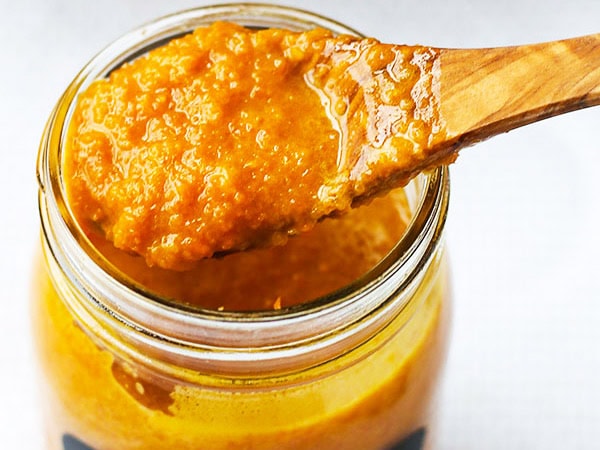
That vibrant orange dressing, a tangy and zesty burst of flavor that instantly elevates any salad, is a beloved staple of Japanese-American restaurants, particularly hibachi steakhouses across the United States. If you've ever savored its unique taste and wished you could recreate it at home, you're in luck. Uncovering the secrets behind this iconic Master Restaurant-Style Carrot Ginger Dressing: Key Ingredients & Blending Secrets is far simpler than you might imagine. This article will guide you through crafting your very own authentic japanese restaurant style carrot ginger dressing, matching – and often surpassing – the quality of your favorite eatery.
Often mistaken for a traditional Japanese recipe, this dressing is actually a delightful culinary innovation rooted in Japanese-American restaurant culture. It’s known for its brilliant hue, smooth consistency, and a perfectly balanced profile of sweet, sharp, and savory notes. From crisp greens to grilled vegetables and grain bowls, this homemade version promises to add a punch of fresh, bold flavor to countless meals.
The Art of Authenticity: Key Ingredients for a Superior Dressing
Replicating the distinct flavor of a japanese restaurant style carrot ginger dressing hinges on selecting the right ingredients and understanding their individual contributions. Forget pre-shredded carrots or bottled ginger; freshness is paramount here.
- Fresh Carrots: The foundation of this dressing's flavor and color. Beyond their earthy sweetness, carrots contribute natural fibers that aid in emulsification, giving the dressing its signature smooth texture. Opt for whole, fresh carrots over pre-shredded varieties, which can result in a duller taste and grainier texture.
- Zesty Fresh Ginger: This is where the dressing gets its characteristic warmth and pungent kick. Fresh ginger root is non-negotiable for that vibrant, spicy zing. Bottled or powdered ginger simply can't compare to the intensity and freshness of the real thing.
- Subtle Shallot (or Onion): While many restaurant versions use a higher ratio of yellow onion for a deeper color and stronger backbone, a small shallot provides a more refined, milder savory depth. It's a gourmet upgrade that delivers the same foundational flavor without overpowering the other delicate notes. For those who prefer a bolder onion profile and a more intense orange hue, a quarter of a small yellow onion can be substituted.
- Balanced Rice Vinegar: The essential tangy component. Rice vinegar is crucial for achieving the balanced acidity found in restaurant dressings. Through extensive testing, it has been shown to outperform sharper apple cider vinegar or more subtle white wine vinegar, ensuring the dressing remains bright without being too aggressive.
- Umami-Rich Soy Sauce: A splash of soy sauce deepens the dressing's savory profile, adding that elusive umami depth that makes it so addictive. Low-sodium soy sauce works perfectly, allowing you to control the saltiness.
- Natural Sweetness from Honey: Honey is the preferred sweetener due to its delicate floral notes that complement the carrots beautifully, without clashing. Importantly, honey also acts as a natural emulsifier, helping to bind the oil and vinegar together.
- Aromatic Toasted Sesame Oil: This ingredient provides a warm, nutty aroma that is characteristic of many Japanese-inspired dishes. However, caution is key: too much sesame oil can be overpowering and make the dressing heavy. A careful, measured pour is vital.
- Neutral Oil: The silent partner in achieving the perfect consistency. A neutral oil like avocado, grapeseed, or vegetable oil forms the bulk of the oil base, creating a smooth emulsion and balancing the strong flavor of the sesame oil. A ratio of approximately 3:1 neutral oil to sesame oil is typically ideal.
From Raw to Radiant: The Science and Method Behind the Perfect Blend
Achieving that glossy, silky-smooth texture isn't just about the ingredients; it's about the method. The right equipment and technique are paramount for a truly authentic japanese restaurant style carrot ginger dressing.
Essential Equipment
While a regular blender can work, a high-speed blender is highly recommended. It produces a superior, ultra-smooth consistency by thoroughly pulverizing the solids and effectively emulsifying the liquids. This ensures no grainy texture and a perfectly cohesive dressing.
The Blending Process: A Scientific Approach
Making this dressing is less about complex steps and more about understanding the science of emulsification:
- Prepare Your Ingredients: Begin by peeling and roughly chopping your carrots and shallot, and grating your fresh ginger. The smaller the pieces, the easier your blender's job.
- Combine Solids First: Add the chopped carrots, ginger, and shallot to your blender. This allows the blades to get a good grip on the harder ingredients.
- Add Liquids and Flavorings: Pour in the rice vinegar, soy sauce, honey, and both the toasted sesame oil and neutral oil. If you wish to adjust the salt and white pepper at this stage, a small pinch to start is appropriate.
- The Critical 60-Second Blend: This is arguably the most important step. Blend the mixture on high speed for a full 60 seconds (or even slightly longer). This isn't just about smoothness; it's about emulsification. The natural fibers in the carrots, combined with the honey, act as emulsifiers, helping the oil and vinegar bond together rather than separate. Blending for this duration ensures the dressing becomes a uniform, creamy emulsion that will hold together beautifully on your plate.
- Adjust Consistency and Seasoning: After blending, check the consistency. If it's too thick, add water, one tablespoon at a time, blending briefly after each addition until your desired pourable consistency is reached. Taste and adjust seasoning with additional salt or white pepper if needed. Remember, flavors will meld further as it chills.
Our own recipe testing, inspired by meticulous culinary experiments, confirms these principles. We found that using fresh ingredients drastically improved flavor and texture, a small piece of shallot added critical savory depth, and a precise oil ratio prevented an overwhelming sesame flavor. Furthermore, rice vinegar consistently delivered the most balanced and "authentic" tang. The synergy of these choices, coupled with proper blending, is what creates that unforgettable restaurant-quality experience right in your kitchen.
Beyond the Salad Bowl: Creative Ways to Enjoy Your Homemade Dressing
While this dressing is famously paired with simple green salads, its vibrant flavor profile makes it incredibly versatile. Don't limit your japanese restaurant style carrot ginger dressing to just leafy greens; explore its potential to brighten up a myriad of dishes:
- Grain Bowls: Drizzle generously over warm quinoa, brown rice, or farro bowls packed with roasted vegetables and protein.
- Grilled Vegetables: Brush onto grilled asparagus, zucchini, bell peppers, or corn on the cob for an instant flavor upgrade. It also makes a fantastic post-grill drizzle.
- Marinade: Its ginger and vinegar components make it an excellent marinade for chicken, fish, or firm tofu, tenderizing and infusing them with flavor before cooking.
- Dipping Sauce: Serve it alongside spring rolls, vegetable sticks, or even crispy wontons for a fresh, zesty dip.
- Sandwich or Wrap Spread: Spread a thin layer inside sandwiches or wraps for a burst of unique flavor.
- Noodle or Rice Bowl Booster: Toss with cold soba noodles or spoon over a simple bowl of steamed rice and vegetables for a quick, flavorful meal.
- Roasted Potatoes/Sweet Potatoes: Toss cooked and cooled roasted potatoes or sweet potatoes with a few tablespoons of dressing for a unique side dish.
Crafting Your Signature Dressing: Tips for Customization and Storage
Once you've mastered the basic recipe, feel free to experiment and make this dressing truly your own. Customization is one of the joys of homemade cooking.
- Adjusting Spiciness: For an extra kick, increase the amount of fresh ginger or add a tiny pinch of red pepper flakes during blending.
- Sweetness Levels: Feel free to slightly increase or decrease the honey to match your preferred level of sweetness.
- Umami Boost: For even deeper umami, consider adding a small amount of white miso paste (about ½ teaspoon) to the blend.
- Creamier Texture: For an even richer, creamier dressing, a small cube of silken tofu can be added before blending.
- Deeper Color: As mentioned, substituting the shallot with a quarter of a small yellow onion will yield a more intense orange hue and a stronger onion flavor.
Storage: Store your homemade japanese restaurant style carrot ginger dressing in an airtight container in the refrigerator. It will typically last for about 5-7 days. Always give it a good shake or stir before each use, as some minor separation can occur over time, especially if not blended sufficiently the first time. For more secrets on perfecting this dressing at home, consider diving into Beyond Hibachi: Recreate Japanese Restaurant Carrot Ginger Dressing at Home.
Unlocking the secret to this iconic dressing transforms your home cooking, bringing restaurant-quality flavors directly to your table. Not only is it fresher and healthier than store-bought alternatives, but it’s also incredibly satisfying to create something so delicious from scratch. Embrace the vibrant flavors, experiment with its versatility, and enjoy elevating your meals with this remarkable homemade dressing.
